New Concrete Driveways Built to Handle Frost
Request an estimate today
A concrete driveway takes a beating. Frost heaves it in winter. Storms soak it in spring. Summer heat bakes it. When the slab is past saving, a new one is the smart fix.
Yearchips Concrete is a referral service. We do not pour concrete. We connect homeowners in Minnetonka and the Minnetonka area with independent providers in our network who build new driveways. Tell us about your project, and we pass it along. You compare estimates and choose. There is no obligation. This page explains the signs, the steps, the costs and the care that keeps a new driveway healthy for years.
Is Your Driveway Past Fixing?
Start here. Not every bad driveway needs to be torn out. But some do. If your slab is badly broken, a new one costs less than endless patches.
A slab is one flat piece of poured concrete. Once it moves or crumbles, it rarely goes back.
Signs You Need a New Driveway
Look for these problems:
- Cracks wider than a quarter inch
- One side higher than the other
- Surface flaking off in chips
- Gaps that grow each spring
- Water that pools and stays
- Slabs that rock when you step on them
Three or more of these? Plan a replacement.
When Patching Still Works
Small, thin cracks are different. Concrete driveway repair can fill them if the slab is still level and solid. A provider can tell you which path fits. Ask for both options in writing.
Check Water Near the House First
Many homes here have full basements and sump pumps. A sump pump moves water out of the basement. If your driveway slopes toward the house, rain runs to the wall. That is a problem.
A new driveway should slope away from the house. If you see wet basement walls or cracks in the foundation, talk to foundation repair experts too. That work is separate from a driveway pour.
What a New Driveway Project Includes
Most projects follow the same path:
- Mark the shape and measure the slope
- Break up and haul away the old slab
- Dig out the soil and level the ground
- Spread and pack a gravel base
- Set wood forms to hold the shape
- Add steel bar or wire mesh
- Pour, smooth and finish the concrete
- Cut joints so cracks stay neat
This is concrete flatwork. That means any flat, poured surface, like a drive, walk or pad.
Why the Base Matters
The gravel under the slab does a big job. It drains water and gives even support. Skip it, and frost will heave the slab. Pour it right, and the base protects the concrete from below.
Choosing Size and Shape
Most one-car drives are about ten feet wide. Two cars need about twenty. Think about guests, a basketball hoop and trash bins. Wider turns help with long cars. Ask the provider to mark the outline with paint before any digging.
Thickness and Strength
Four inches is common for cars. Five or six inches suit trucks and heavy vans. Steel bar helps hold cracks tight. In cold regions, a mix with tiny air bubbles helps the slab survive frost. Ask if your mix has it.
Picking a Finish
A broom finish has light lines that grip tires and shoes. It is plain and safe when wet. Exposed stone, color and stamped patterns cost more. Smooth finishes get slick in rain and ice, so skip them for slopes.
Permits and the Street Apron
The apron is the strip where your driveway meets the street. Cities often own that part. Many towns want a permit and set rules for width and thickness. Some require their own inspection.
Ask the provider who pulls the permit. Get the answer in writing.
Choosing a Provider
Providers in our network are independent businesses. Yearchips Concrete does not do the work. Ask each one about:
- Proof of insurance and any local license
- Photos of past driveways
- Base depth and mix details
- Start dates and weather delays
- Written warranty terms
Compare at least two estimates. Do not pick on price alone.
The First Weeks After the Pour
Fresh concrete is soft inside. Keep cars off for about a week, or longer if the provider says so. Keep heavy trucks off for a few weeks. Keep pets and kids off for a day or two. Curing is the slow hardening process, and it needs time and moisture.
Drain, Seal, Repeat
Wait a few weeks, then seal the slab. Sealer is a clear coat that blocks water and oil. Most need a fresh coat every two to three years. Also clear gutters, point downspouts away from the drive and keep soil from piling against the edge.
Winter and Storm Care
Use sand for grip in the first winter. Rock salt can scar young concrete. Shovel with a plastic blade. After hail or flooding, check for new cracks and standing water. Fix small issues early.
Protecting Your Home's Value
A clean, sound driveway is the first thing buyers see. Cracks and stains hint at neglect. A well-built slab with simple upkeep supports your home's value and resale. Slab care counts.
Ready to compare options? Request a callback to check provider availability, or send a request through the form.
What's Included
Old Slab Removal
Providers break up the worn driveway and haul away the broken concrete before any new work begins.
Base and Grading
Crews level the soil, pack gravel and set a slope that sends water away.
Forms and Steel
Wood forms hold the shape while steel bar or mesh helps keep cracks tight.
Pour and Finish
The concrete is placed, smoothed, textured and cut with joints to guide cracking.
Typical Concrete Driveway Costs in the U.S.
Prices change with size, soil, finish and local rules. These are typical U.S. ranges only. Always get a written quote before you agree to any work.
| Item | Typical range | Notes |
|---|---|---|
| Basic broom-finish slab | $6 – $12 per sq ft | Common for plain, standard driveways |
| Old slab removal | $1 – $3 per sq ft | Higher if the concrete is thick or steel-filled |
| Gravel base and grading | $1 – $3 per sq ft | Cost grows with poor soil or steep lots |
| Color or stamped upgrade | $3 – $12 extra per sq ft | Depends on pattern and detail |
| Permit and inspection | $50 – $500 | Set by the city; rules differ |
| Sealer coat | $0.50 – $2.50 per sq ft | Needed again every few years |
How It Works
Tell Us About It
Share your address, drive size and what is wrong with the old slab using the short request form.
Get Matched With Providers
A local provider from our network may reach out to talk about your project and schedule a visit.
Compare Written Quotes
Review the price, thickness, base work, finish and timeline for each estimate before you choose.
Pick and Plan the Pour
Choose your provider, confirm permits and dates, then follow the care steps after the pour.
Why Call Yearchips Concrete
Build It Right Once
A solid base and good mix cut the odds of early cracks, heaving and costly redo work.
Local Providers
Independent providers know area frost depth, soil, permit rules and the storms that test a slab.
Clear Estimates
Compare written quotes side by side, so you see what each price includes before you decide.
No Obligation
Send a request, review the replies and choose a provider only if one fits.
Other Services
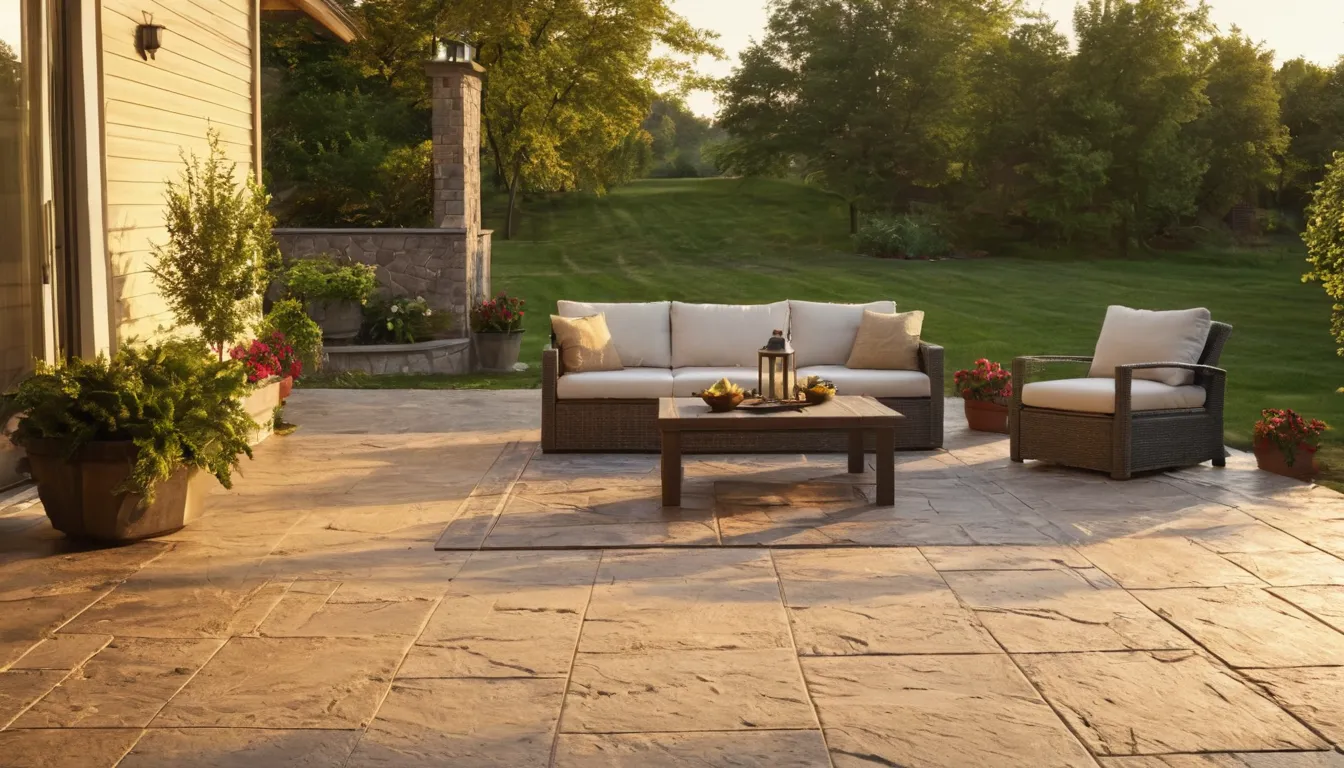
Need concrete driveways in Minnetonka?
Tell us about your driveway or patio project. Send a request, and a local provider in our network can follow up with questions and an estimate.
No obligationConcrete Driveways FAQ
- How long does a concrete driveway last?
- A well-built concrete driveway often lasts 25 to 30 years, sometimes longer. Good base work, proper drainage and regular sealing help it last. Frost, heavy loads and de-icing salt can shorten its life.
- How long before I can drive on a new concrete driveway?
- Most providers say to wait about seven days before parking cars on it. Heavy trucks may need a few weeks. Ask your provider for exact timing, since weather and mix type can change it.
- Can I fix my cracked driveway instead of replacing it?
- Thin, small cracks can often be filled if the slab is level and firm. Wide cracks, sunken sections and crumbling surfaces usually point to a replacement. A provider can look at it and explain your options.
Reach a local provider
Tell us about your driveway or patio project. Send a request, and a local provider in our network can follow up with questions and an estimate.
No obligation