Stamped Concrete for Your Home
Request an estimate today
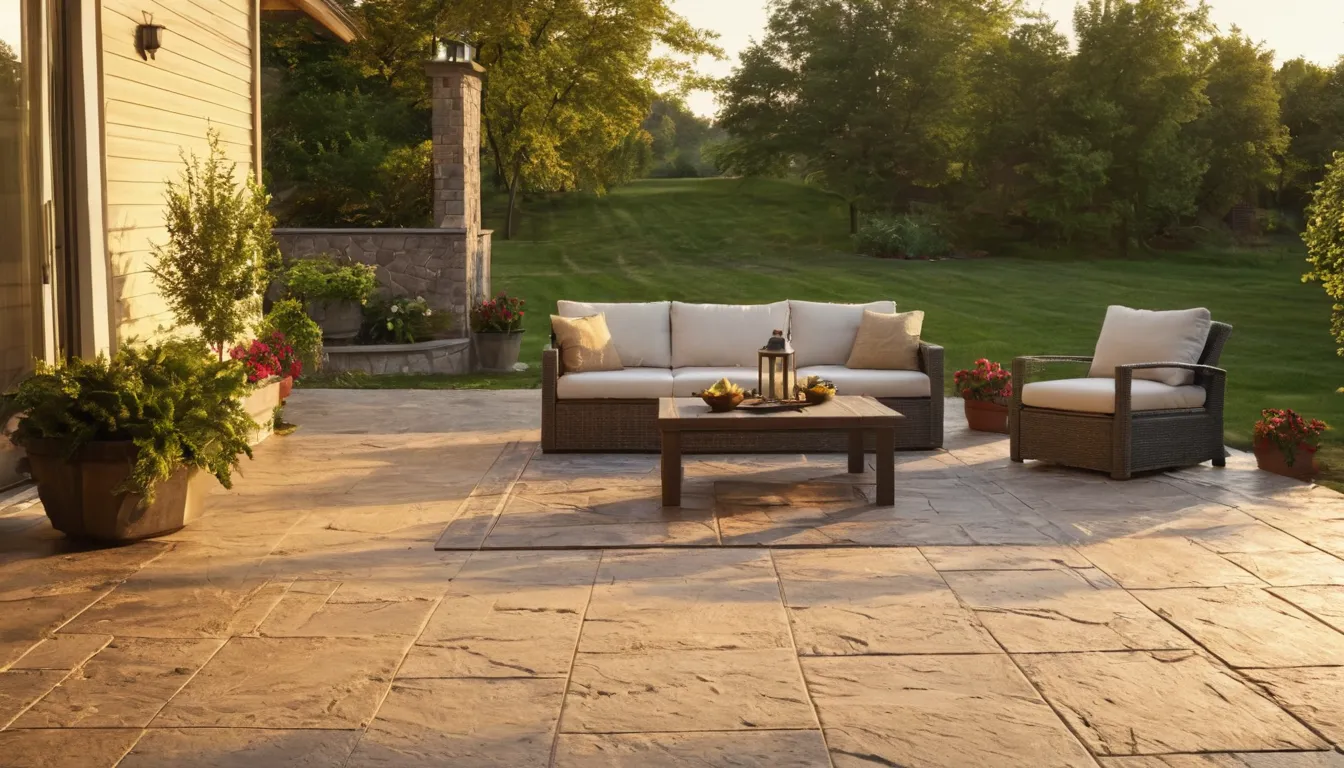
Stamped concrete is regular concrete with a pattern pressed into the top while it is still soft. The result can look like slate, brick, cobblestone or wood. You get the look of costly materials in one solid slab. It works well for patios, walks and pool decks.
Yearchips Concrete is a referral service. We do not pour concrete. We connect homeowners in the Minnetonka area with independent local providers who do this work. You tell us what you want, and a provider in our network can talk through your yard, your pattern and your budget. This page explains how the work goes, how to care for it, and what to ask before you hire.
Start here: what stamped concrete is
Stamped concrete is poured concrete with a pattern pressed into the surface. It can look like stone, brick, slate or wood plank. It is one kind of concrete flatwork. That term means flat slabs, such as patios, walks and drives.
Many homeowners like it because it gives a rich look in one piece. There are no loose stones to shift.
Plan before the pour
Good results start with a plan. Decide where the slab goes, how big it should be, and where rain will run. Cold winters, deep frost, hail and spring flooding are hard on any slab. Ask each provider how they plan for water.
Check the ground first
The soil under a slab matters a lot. Deep frost can push soft ground up and down. A provider digs out loose soil and packs down a layer of gravel. That layer is called the base. Then they set forms. Forms are the wood or metal edges that hold wet concrete in place.
How stamped concrete is made
The work moves in a set order. Each step has a short window, so good timing counts.
Pour and level
Crews pour the concrete, spread it and smooth it flat. Steel bars or wire mesh may go inside for extra strength.
Add color
Color can be mixed into the batch. It can also be dusted on top as a powder. A second powder, called release, keeps the stamps from sticking.
Press the pattern
Workers press rubber mats into the soft surface. If the concrete is too wet, the pattern sags. If it is too hard, the pattern will not take. Skilled timing is the whole trick.
Cure and seal
Curing means letting the concrete rest and harden. After that, a clear sealer goes on. Sealer shields the color and blocks water. Pour it right, then seal it right.
Popular patterns and colors
Common patterns include ashlar slate, random stone, brick herringbone, cobblestone and wood plank. Popular colors are warm gray, tan, charcoal and brick red.
Pick tones that match your roof, siding and trim. Bungalows and ranch homes often suit soft stone or brick looks. Older frame houses often suit slate or plank. Ask to see a sample board in daylight before you decide.
Where stamped concrete works well
It suits patios, walkways, porch landings, pool decks and driveway borders. Stamped concrete patios are the most common choice.
A wet stamped surface can be slick. Near a pool or a sloped step, ask for a slip-resistant sealer. In hot, humid summers, lighter colors stay cooler under bare feet.
Stamped concrete vs. pavers
Pavers are single stones set in sand. Stamped concrete is one slab.
- Stamped concrete: fewer joints, less weed growth, and usually a faster build.
- Pavers: you can lift and replace one stone, and shifting ground is easier to fix.
A cracked stamped slab cannot be swapped out one piece at a time. A patch can blend in, but it rarely matches perfectly. Weigh that against the cleaner look.
How long the job takes
Most projects take several days of hands-on work. Layout and prep come first. Pouring and stamping often happen in a single day. Then the slab cures.
People can often walk on it after a few days. Cars and heavy furniture usually wait a week or more. Concrete reaches full strength in about a month. Rain and heat can shift the schedule, so ask the provider for a plan.
Caring for stamped concrete
Slab care counts. A little upkeep after the pour keeps the color rich and the surface sound.
Reseal on a schedule
Many providers suggest a new coat of sealer every two to three years. Ask what fits your sealer and your sun exposure.
Keep water moving
Point downspouts away from the slab. Keep the surface sloped so puddles drain. Drain, seal, repeat. If your basement has a sump pump, make sure its discharge pipe does not dump water onto the patio.
Go easy in winter
Skip rock salt and harsh deicers. They can scar the surface. Use sand for grip and a plastic shovel for snow.
Clean with a light touch
Sweep often. Rinse with a hose and mild soap. A strong pressure washer held too close can strip sealer.
Fix small cracks early
A hairline crack lets water in. Water plus frost makes it grow. A provider can seal small cracks before they spread. Larger damage may need concrete driveway repair or patching, which is its own job. If a slab sinks near the house, ask about foundation repair experts, since that is a different trade.
Protect your home's value
A clean, well-built patio adds curb appeal. Buyers notice flat, even surfaces and fresh color. Poor work shows fast, and it can make a buyer wonder what else was rushed.
Keep your paperwork. Save the quote, the receipt and the dates you resealed. These records help if you sell.
Choosing a stamped concrete provider
Compare at least two or three. Ask each one:
- Can I see photos of past stamped work?
- Can I see a color and pattern sample?
- Will the quote be in writing?
- How do you place control joints? These are planned cuts that guide where cracks form.
- What sealer do you use, and how often should I redo it?
- Do you carry insurance, and do local rules require a license?
Providers in our network are independent. Check their details yourself before you sign.
Request a callback to check provider availability in your area.
What's Included
Pattern Choices
Pick from stone, brick, slate, cobblestone or wood plank looks to match your home.
Color and Finish Options
Color mixes into the slab or sits on top, with a sealer for shine or matte.
Ground and Base Prep
Providers dig out soft soil and pack a gravel base so the slab stays steady.
Sealing and Care Advice
Ask your provider how often to reseal and which cleaners are safe for your slab.
Typical Stamped Concrete Costs
Prices vary by size, pattern, color, soil and local rates. These are typical U.S. ranges only. Ask each provider for a written quote that lists every item.
| Item | Typical range | Notes |
|---|---|---|
| Stamped concrete patio | $12 – $25 per sq ft | Pattern and color change the price |
| Plain gray concrete slab | $6 – $12 per sq ft | Shown for comparison |
| Color and release powders | $1 – $3 per sq ft | Deeper colors can cost more |
| Sealer (first coat) | $1 – $3 per sq ft | Needs a fresh coat every few years |
| Old slab removal | $2 – $6 per sq ft | Depends on thickness and access |
| Grading and gravel base | $1 – $4 per sq ft | Soft or wet soil adds cost |
How It Works
Tell Us Your Plan
Share what you want built, the size, and any pattern or color ideas you have in mind.
Get Matched Locally
We connect you with an independent provider in our network who handles stamped concrete.
Review the Written Quote
Compare the price, pattern, sealer and schedule in writing before you agree to anything.
Build, Seal and Maintain
The provider does the work. You follow the care tips to protect the finish.
Why Call Yearchips Concrete
Plain Talk, Clear Steps
We explain each part of the job in short words, so you know what to expect.
Local Providers
You are matched with independent providers who work near you.
No Pressure
Request an estimate with no obligation, and compare quotes at your pace.
Care Advice Included
Our pages cover upkeep too, so your slab keeps its look after the pour.
Other Services
Need stamped concrete in Minnetonka?
Tell us about your driveway or patio project. Send a request, and a local provider in our network can follow up with questions and an estimate.
No obligationStamped Concrete FAQ
- How long does stamped concrete last?
- With good prep and regular sealing, stamped concrete can last many years. Deep frost, standing water and harsh deicers shorten its life. Ask your provider for a care plan that fits your climate.
- Does stamped concrete crack, and can it be repaired?
- Any concrete can crack, even when built well. Providers place control joints, which are planned cuts, to guide where cracks form. Small cracks can often be sealed or patched, though the patch may not match the color exactly.
- Is stamped concrete slippery when wet?
- It can be, especially with a glossy sealer. Ask your provider about a slip-resistant additive in the sealer. This matters most near pools, steps and sloped spots where water collects.
Reach a local provider
Tell us about your driveway or patio project. Send a request, and a local provider in our network can follow up with questions and an estimate.
No obligation